The Jewish people must never give up the certainty that they are loved by Hashem as long as they engage with the Torah. It is instructive to remember that the Torah is 613 according to Gematria. All 613 commandments of the Torah are equally important and eternally relevant. We must all never give up the hope and love that we live according to the Torah and therefore become aware of Hashem’s love. This is why Gematria is so important at this time. The Hebrew word for hope, Hatikva, has the numerical value 600 and Ahava (love) has the value 13. We can all have the hope of being led back in love to our goal of Yisrael and Zion if we hold on to the Torah.


אסור לעם היהודי לוותר על הוודאות שהוא נאהב באמצעות ה‘ כל עוד הוא עוסק בתורה. מאלף לזכור שלפי הגימטריה התורה תואמת את הערך המספרי 613. כל 613 מצוות התורה הן בעלות חשיבות שווה ונצחית. אסור לכולנו לעולם לוותר על התקווה והאהבה שאנו חיים על פי התורה ולכן נהיה מודעים לאהבת ה‘. לכן הגימטריה כל כך חשובה בזמן הזה. המילה העברית לתקווה, התקווה, היא בעלת הערך המספרי 600 ולאהווה (אהבה) היא בעלת הערך 13. לכולנו יכולה להיות תקווה להוביל בחזרה באהבה אל המטרה שלנו, ישראל וציון, אם נאחז בתורה.
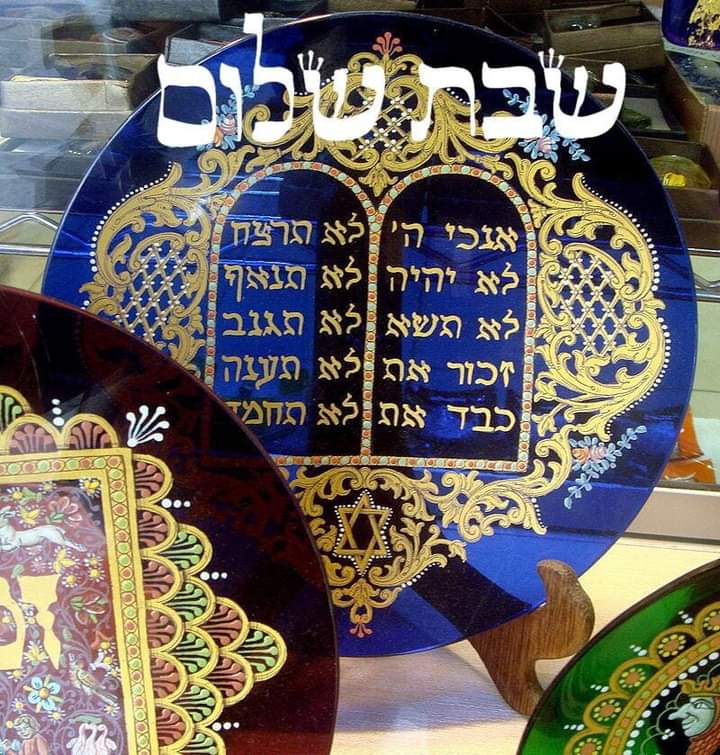
Thoughts about Parsha Ekew

I’m just studying the first words of the Parasha EKEW… G‑d promises that he will never break his covenant with the Jewish people – provided that all hear his words, that is pay attention to them, that the legal or Legal statutes are upheld and done. For me, that means that maintaining the unambiguous traditional reference to Judaism is meant and doing that these legal requirements must be followed by deeds that relate to them.Then he will love, bless and increase the Jewish people. It is important to realize that in the parsha Ekew the Lord addresses each individual and with a ‚Thou‘. This is a very close level of relationship and he is reminiscent of the patriarchs Avraham, Yitzchak and Ya’akov to whom he swore to give the land of Israel.The Parasha Ekew has an important message in its name. It can be translated on three levels… Ekew as ‚once‘, meaning all Israelites are addressed. Ekew as because, that means that the orthodoxy is meant directly, which has fulfilled mitzvot most consistently since primeval times and Ekew as „if“, that means that when the 40 years of desert migration are complete, the conquest of the land can take place.This is the case today.The prophet Yeshayahu (Isaiah) speaks the second words of comfort in the Haftarah of the Parasha. A total of 7 Haftarot of consolation will be spoken and proclaimed by him until Rosh Hashanah. We should all feel drawn to the words of the Tanakh and listen with our minds and hearts! Shabbat Shalom.

Wenn die Thora als Jude verschmäht wird…

Vor nicht allzu langer Zeit wurde am Schabbat Dewarim und zugehörige Haftara öffentlich gelesen, als Warnung und Vorwurf an Jehuda, den gesamten Stamm. Würde nur ein einziger (säkularer) Jude diese große Anklage für sich entdecken und ernst nehmen, dann wäre schon weitergeholfen. Als unsere Weisen diese einleitenden Kapitel des Propheten Jeschajahu auswählten, damit es mit Dewarim und auch dieses Jahr vor Tischa be-Aw verkündet wird, war Ihnen bewusst welche Gefahren für ganz Israel existieren. Die Worte Jeschajahu“s wurden gewählt, um allen Generationen Israels vor den sittlichen und sozialen Verfehlungen zu warnen, die zum Untergang des jüdischen Staates geführt hätten. Heute ist Israel in einer vergleichbaren Situation. Mögen wir alle Umkehren zu unserem G-tt und das Gesetz Israels nicht nur ernst nehmen, sondern über dieses hinausgehen, damit die Gnade haShem“s uns allen zu Gute kommt und wir auch weiterhin sagen können: Ich bin Stolz ein Jude zu sein und lebe im eigenen Land – wir haben nur das eine.

Bemidbar – an outlook at the Parasha of this week

Always before Shavuot we read Bemidbar – „In the desert“. In this Parasha the people are counted again; This is because for Hashem this is a token of love. It is important to understand that HaShem demands an active part in dealing with the Torah and at the same time extends his love to all of us. It is important to be ready and to act consciously. It has always been and will always be important to me to be trained in synagogue ministry. There must be a fundamental willingness to see this as a duty. This is exactly what I demand for myself. haShem wants a relationship with all of us – nothing else – and I am fully aware of this mutual responsibility; always aware that the journey towards Israel is only really beginning now and that I am right at the beginning. Let us all prepare ourselves spiritually and in learning to serve HaShem and soon to observe Shavuot. Then we all realize that it is not knowledge or moral standards that bind us all, but the Torah alone.

Bemidbar – eine Vorrausschau auf den Wochenabschnitt diese Woche

Immer vor Schawuot lesen wir Bemidbar – „In der Wüste“. In dieser Parasha wird wieder das Volk gezählt; und zwar deshalb, weil für haShem dies ein Liebesbeweis ist. Es ist wichtig zu begreifen, dass haShem einen aktiven Part im Umgang mit der Thora einfordert und zugleich seine Liebe uns allen zukommen lässt. Dazu ist es wichtig bereit dazu zu sein und bewusst zu handeln. Für mich ist es immer wichtig gewesen und bleibt es, dass man im Synagogendienst ausgebildet wird. Dazu muss eine grundsätzliche Bereitschaft vorhanden sein, dies auch als Pflicht zu sehen. Genau dies fordere ich für meine Person ein. haShem will mit uns allen eine Beziehung – nichts anderes – und ich bin mir dieser Verantwortung auf Gegenseitigkeit voll bewusst; immer in dem Bewusstsein, dass die Reise in Richtung Israel erst jetzt richtig beginnt und ich ganz am Anfang stehe. Bereiten wir uns alle spirituell und im Lernen vor haShem zu dienen und in Kürze Schawuot zu begehen. Dann erkennen wir alle, das es nicht Wissen oder moralische Maßstäbe sind, die uns alle verbinden, sondern die Thora allein.

Gedanken zu Parascha Wajikra

Habe mir vorgenommen mich mit der Parascha des kommenden Shabbat auseinanderzusetzen…Wajikra. Es werden ausführlich vier Arten von Opfer… besser Darnahungen an HaShem erläutert. Ganzopfer, Speiseopfer, Friedensopfer und Schuldopfer. Letzteres ist meiner Aufmerksamkeit zu Teil geworden. Ein Schuldopfer muss man – unabhängig von etwaigen Schadensersatzzahlungen – unter anderem bringen, wenn man das Heiligtum missbraucht hat.
Auch wenn ritueller Missbrauch mir in meinem Aufenthalten in der Stuttgarter Synagoge vor mehreren Jahren begegnete und mir dies erst viel später bewusst wurde, ist es mir wichtig ein persönliches Schuldopfer zu bringen, da ich mir unsicher bin ob ich gesündigt habe.
Ich lege großen Wert darauf zu betonen, dass zwar in der Vergangenheit Gebete die Opfer ersetzt haben, aber Gebete im Hier und Jetzt kein Ersatz für Opfer darstellen. Gebete sind den Opfern untergeordnet und werden selbstverständlich in fest vorgeschriebenen Regeln weitergeführt. Ich sehe mich also in der Pflicht in Synagogen zu beten und gleichzeitig an die Wiedererrichtung des Bet haMikdasch, in baldiger Zeit, in Jerushalajim zu glauben, dies anzustreben und zu unterstützen. Möge der Frieden bald wieder hergestellt sein und ein Haus für alle Wahrhaftigen, Friedfertigen und Gerechten aus allen Völkern offen stehen. Shalom.